
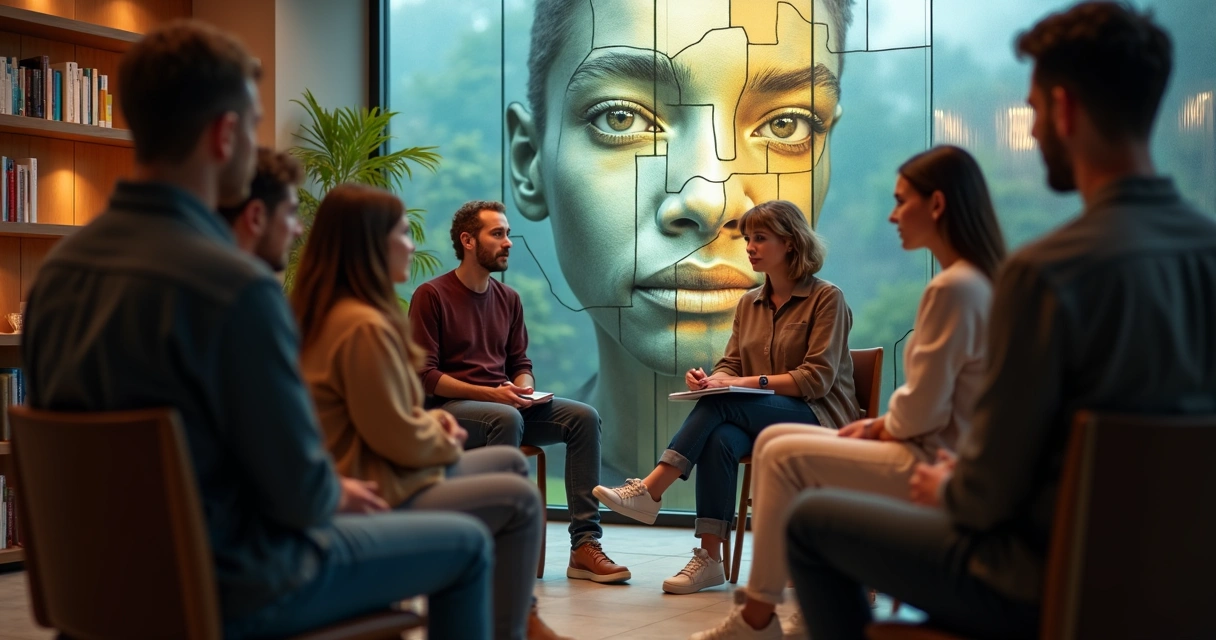
We often think a group is only a social setting. A meeting. A family dinner. A class. A team chat. Yet in our experience, groups do more than gather people in one place. They bring hidden emotional patterns to the surface.
Group dynamics often reveal what we carry inside but do not fully see on our own.
That is why one person stays silent even when they have something to say, while another interrupts without noticing. One feels left out after a small comment. Another tries to keep peace at any cost. The group may look like the cause, but many times it is also a mirror.
We have seen this in simple moments. Someone enters a room and quickly scans faces, trying to sense danger. Someone else starts performing competence right away. Another becomes the helper, not from generosity alone, but from fear of losing their place. These reactions are not random. They come from inner history, emotional memory, and learned ways of protecting the self.
Groups expose patterns.
Why groups affect us so deeply
A group is never just a sum of individuals. It creates pressure, expectation, belonging, comparison, and roles. Inside that field, our emotional system becomes more active. We react not only to what is happening, but also to what it seems to mean.
We do not enter groups as blank people. We enter with fears, hopes, old wounds, and habits of connection.
This is one reason group situations can feel stronger than private ones. Research discussed in studies on collective emotional experiences showed that group influence can intensify emotions and make them last longer than similar emotions felt alone. We think many readers will recognize this at once. A tense room can stay in the body for hours. A warm group welcome can lift the day.
When that happens, the group is not only affecting us from outside. It is also touching structures already alive within us.
What the group reflects back
Groups tend to reflect at least four inner layers. We may not notice them in the moment, because social reactions can happen fast. Still, with attention, the mirror becomes clear.
These layers often show up as:
- Our need for approval
- Our fear of exclusion
- Our way of dealing with power
- Our tolerance for emotional tension
If we need approval, we may shape ourselves to fit the mood. If we fear exclusion, even neutral silence may feel like rejection. If power is hard for us, we may submit too quickly or resist every form of authority. If tension feels unsafe, we may avoid honest dialogue and call it harmony.
None of this means we are weak. It means our inner life is active. The group simply gives it form.
The roles we keep repeating
Most groups pull people into roles. Some roles are openly assigned. Others are silently adopted. We have noticed that people often repeat the same place in different settings without planning to.
Common repeated roles include:
- The peacemaker who absorbs conflict
- The rebel who challenges every structure
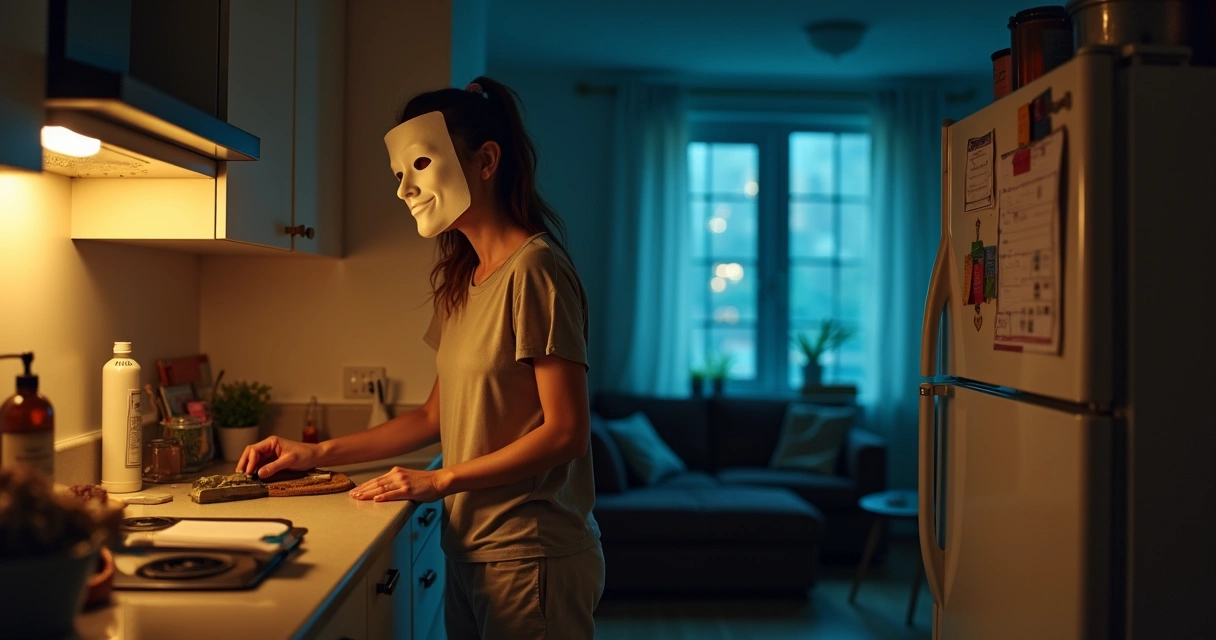
- The invisible one who withdraws before being ignored
- The strong one who cannot show uncertainty
- The caretaker who supports others and forgets personal limits
These roles may look useful from the outside. Sometimes they are. But they can also become emotional cages. If we only know how to belong through one role, our freedom gets smaller.
We once watched a person in a group workshop laugh every time the conversation became serious. At first it looked like charm. Later it became clear that humor was being used to escape exposure. The group helped show what private reflection had not yet named.
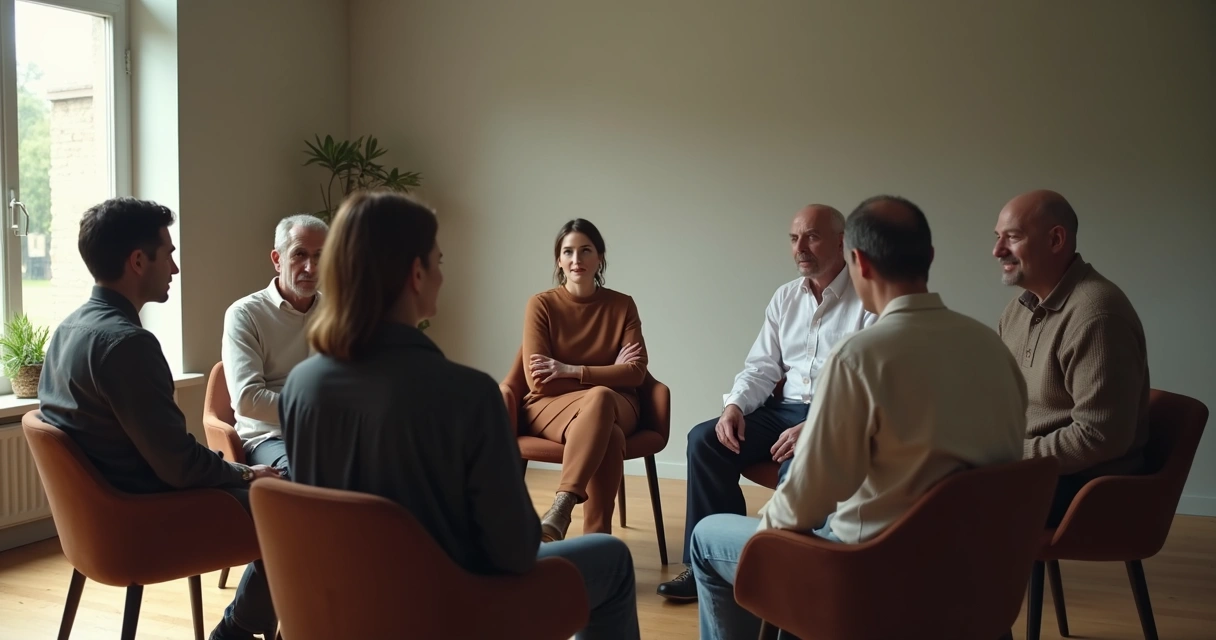
Emotional triggers inside collective spaces
A group does not need open conflict to trigger us. Often the trigger is smaller. A glance. A delay in response. A joke that hits an old insecurity. A person who reminds us of someone from our past.
In our view, there are a few signs that a group situation is touching more than the present moment:
Our reaction feels too big for the event.
We become rigid and lose curiosity.
We assume intention without checking facts.
We repeat the same complaint in many groups.
When this happens, the group may be activating emotional material that is still unresolved. This is not a failure. It is information.
Discomfort in groups can be a signal that an old emotional pattern has found a new stage.
How to read the mirror without blaming the group
It is easy to do one of two things. We can blame ourselves for everything, or blame the group for everything. Neither path helps much. A clearer approach is to ask what belongs to the present and what belongs to our history.
We suggest a simple reflection process:
- Notice the exact moment your state changed
- Name the emotion without judging it
- Ask what meaning you gave to the event
- Check whether this meaning feels familiar from older experiences
- Decide what response fits the present reality
This kind of pause can change a lot. We stop reacting only from the wound and start responding with more awareness.
That does not mean groups are always healthy. Some are confusing, harsh, or manipulative. Still, even in those cases, our inner response deserves attention. The outer situation matters. The inner interpretation matters too.
When healthy groups support inner growth
Not every mirror is painful. Some groups show us strengths we had not trusted before. A respectful space may reveal that we can speak clearly. A stable team may help us loosen control. A thoughtful circle may show us how often we expect attack where none exists.
Growth happens when the group offers enough safety for honesty, but enough difference to challenge old habits. That balance matters.
We also think mature group life asks something from each of us:
- To listen without preparing defense too soon
- To speak from experience instead of accusation
- To notice projection before turning it into certainty
- To accept that not every discomfort is harm
These attitudes help us relate with more truth. And they reduce the chance that we will force others to carry emotions we have not yet owned.

Conclusion
Group dynamics matter because they show us how we connect, defend, withdraw, and seek place. They can intensify emotion, but they can also increase clarity. When we pay attention, the group stops being only a social event and becomes a field of self-knowledge.
We may not control every group we enter. We can, however, learn from what each one awakens in us. That is where maturity begins. Not in perfect comfort, but in honest contact with our own inner movements.
Frequently asked questions
What are group dynamics in psychology?
Group dynamics in psychology are the patterns of interaction, influence, roles, and emotional responses that emerge when people relate within a group. They include how people communicate, how power is expressed, how belonging is formed, and how conflict or cooperation develops over time.
How do group dynamics reflect emotions?
Group dynamics reflect emotions by bringing inner sensitivities into visible behavior. A person may become silent, defensive, controlling, or overly agreeable because the group has activated fear, shame, hope, or the need for approval. The reaction is social on the surface, but emotional at the core.
Can group dynamics affect mental health?
Yes. Group dynamics can support or strain mental health. Supportive groups may strengthen trust, confidence, and emotional regulation. Hostile or unstable groups may increase anxiety, self-doubt, stress, or emotional exhaustion, especially when they trigger unresolved personal patterns.
How can I improve group interactions?
We suggest starting with self-awareness. Notice your triggers, listen with patience, speak clearly, and avoid assuming motives too fast. It also helps to respect boundaries, ask for clarification, and stay open to feedback. Better group interaction often begins with a calmer inner position.
Why do group dynamics feel uncomfortable sometimes?
Group dynamics can feel uncomfortable because they expose needs and fears that are easier to hide when we are alone. Belonging, comparison, authority, exclusion, and conflict all affect the emotional system. Sometimes the discomfort comes from the current group. Sometimes it comes from older experiences being reawakened in the present.