

We all grow up in families that shape the way we see the world. From the first days of our lives, stories, behaviors, reactions, and silent rules are woven around us. These are family patterns: unspoken maps for how to think, love, and respond. Growing older, many of us feel a tension—sometimes quiet, sometimes fierce—between the old maps and the values we discover for ourselves. Here, we examine why this conflict matters, how to recognize it, and what we can do to find wholeness on the other side.
Understanding family patterns
Family patterns are the predictable ways in which feelings, thoughts, and actions pass from one generation to the next. We often inherit these without even realizing it. They can show up in how we communicate, how we express anger or affection, how we manage money, or even how we face difficulty.
- Some patterns are loving: regular family dinners, supportive advice, encouragement for new ideas.
- Others can be limiting, like constant criticism, emotional distance, or fear of expressing true feelings.
- Still, others might be neutral or so subtle that they stay invisible until another perspective is introduced.
Often, we find ourselves saying or doing things just as they were done to us—sometimes with pride, other times with resistance. These patterns serve as deep reference points for what is safe, right, or expected.
"Family patterns create the first lens through which we see ourselves."
What are chosen values?
At some point, we notice internal questions rising. Why do I react this way? Do I really want to behave as my parents did? Could life be different? Often through new relationships, education, or moments of crisis, we become aware that we can choose our own values.
Chosen values are the beliefs and principles we decide to live by, regardless of where we learned them. We select them with intention. They reflect what feels true to us, even if that means challenging old norms.
- Honesty, even if family history valued silence.
- Forgiveness instead of holding grudges.
- Independence over dependence, or vice versa.
- Setting boundaries where before there were none.
These values give us new direction and help us design a life we respect and stand behind.
Where conflict begins
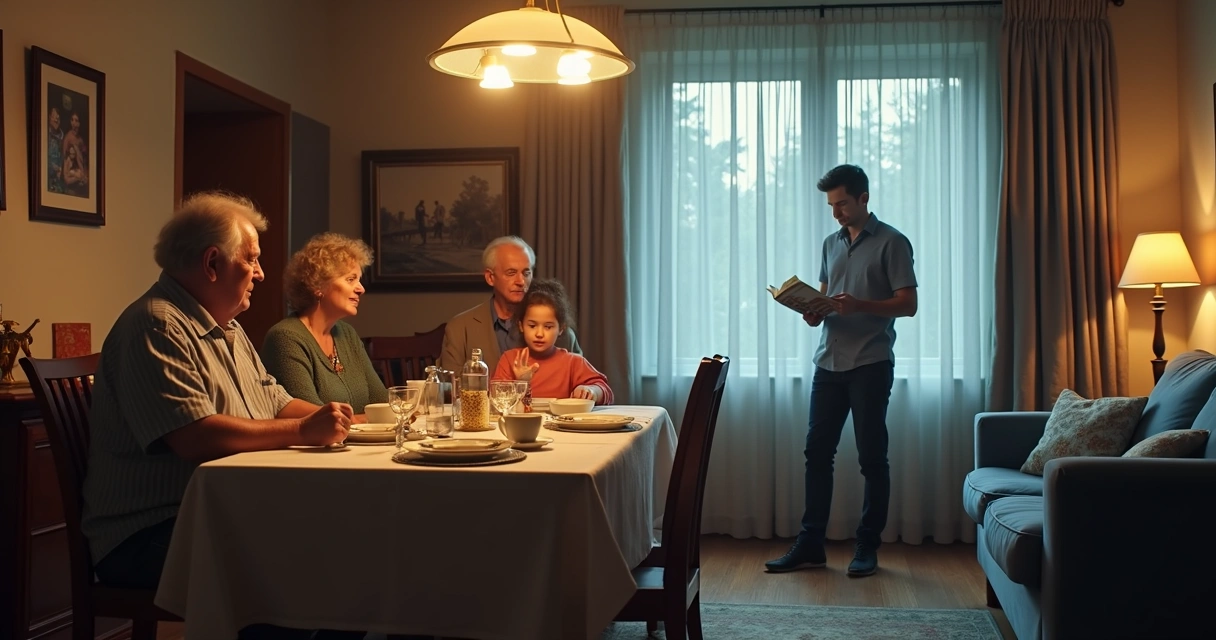
Internal conflict starts when family patterns pull us in one direction and our chosen values tug us another way. For instance, perhaps we grew up in a family that avoided conflict, valuing peace above all. Yet, as adults, we feel that speaking up for ourselves is vital for our growth.
Common signs of this internal tug-of-war include:
- Feeling guilt when saying “no”, even though we value self-care.
- Hiding parts of ourselves around family out of fear of judgment.
- Experiencing anxiety when making decisions that do not “fit the script” taught in childhood.
- Criticizing ourselves for stepping outside old roles.
This conflict can be quiet, showing up in restless thoughts and nagging feelings, or loud and clear, impacting relationships, work, and personal peace.
Learning to face the conflict
We think the real work starts when we give ourselves permission to question what we have always known. Facing the tension is uncomfortable, but it is the beginning of self-respect. Here is how we can begin to address the gaps between family patterns and chosen values.
Slow down and notice
Stress and automatic reactions make it hard to see where our feelings are coming from. Pausing brings clarity. When we experience guilt, anxiety, or self-criticism, we can ask ourselves:
- Whose voice is this? Is it really mine, or does it belong to my family history?
- What am I afraid will happen if I change?
- What value or principle matters most to me in this moment?
Hold both truths gently
We can honor our family story without letting it control our every move. Many patterns served a purpose in the past but might not serve us now. Allowing ourselves to hold gratitude for what was good—and let go of what limits us—frees us to create something new.
"Growth emerges when we carry respect for our roots and courage for our own choices."
Choose what to keep, and what to change
It helps to recognize that we are allowed to keep some traditions and let go of others. For example, we might keep humor as a core family trait but release the expectation to always agree with elders. Chosen values can help us filter out what fits our lives now.
Making conscious choices
When deciding where to go from here, we can use a few guiding practices:
- Reflect regularly on our behavior. Journaling or talking with a trusted friend can help identify when old patterns take over, and how our chosen values feel in action.
- Practice self-compassion. Internal conflict is normal while changing old ways. Kindness to ourselves builds resilience and patience.
- Communicate clearly. If we want to create change in relationships, it helps to express our new values without blaming or judging the past.
- Celebrate progress, not perfection. Even choosing a new response once, in a difficult moment, marks growth.

Acceptance and growth
Living by our chosen values sometimes means letting go of approval, certainty, or comfort. Yet the reward is real: the quiet strength that comes from living our own truth. Internal conflict does not vanish overnight, but each act of self-honesty creates distance from the old scripts that no longer serve us.
Along the way, we might feel the sadness of leaving some things behind and the joy of stepping closer to our truest selves. We believe the richest growth happens not in rejecting our roots, but in weaving them alongside the life we create with intention.
"What was given is not all we can become."
Conclusion
Finding harmony between family patterns and chosen values is both a challenge and an invitation. In our experience, every step toward self-awareness enriches not only our own lives but also the lives of those we touch. As we learn to honor our past and claim our present, we stop living on autopilot and start living with purpose. The internal conflict, with patience and presence, becomes a source of wisdom rather than confusion.
Frequently asked questions
What are family patterns and chosen values?
Family patterns are inherited ways of thinking, feeling, and behaving that we absorb from our upbringing. Chosen values, on the other hand, are beliefs and principles we select for ourselves based on what feels true and meaningful in our lives, often through conscious reflection and experience.
How to handle conflicts between them?
We can start by noticing where family patterns are in conflict with what we believe now. Reflection, self-compassion, and open communication go a long way. It is possible to hold gratitude for our family’s impact while still choosing new directions. Change is a gradual process, and celebrating each small success helps build confidence.
Is it common to question family patterns?
Yes, many people naturally begin to question family patterns as they grow into adulthood, form new relationships, or face life changes. This questioning often signals growth and the desire for a more self-determined path.
Can you change deep family habits?
Deep family habits can change over time, though it often takes patience and intention. Small shifts in response to triggering situations, along with new boundaries and conscious choices, can gradually transform patterns passed from generation to generation.
How do I choose my own values?
Choosing your own values starts with gentle reflection: noticing what truly matters, what feels right, and what brings satisfaction or peace. Experimenting with different behaviors and noticing their impact helps clarify which principles feel authentic. Over time, these chosen values become guides for your daily decisions.